
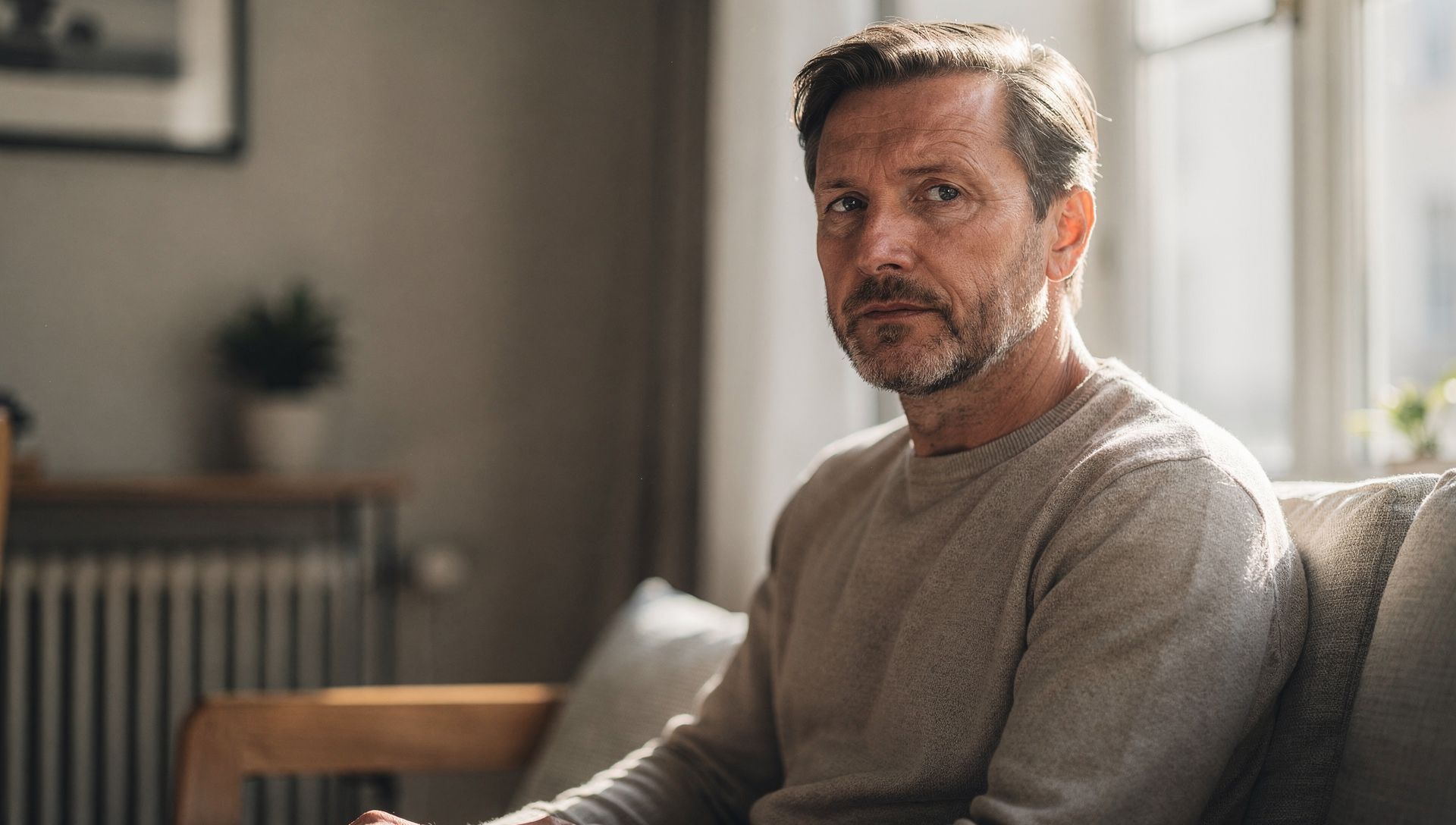
Coping With a Prostate Cancer Diagnosis: A Psychologist’s Guide
Practical, evidence-based guidance to help you manage the emotional impact, uncertainty, identity changes and relationship challenges that can come with a prostate cancer diagnosis.
Receiving a prostate cancer diagnosis is a profound shock that touches every area of your life – your health, your future, your relationships, and your sense of who you are as a man. If you are reading this shortly after being diagnosed, it is entirely understandable if you feel overwhelmed, numb, frightened, or as if everything has suddenly shifted beneath your feet.
As a general health psychologist, I have accompanied many men through this stage. While every person is unique, there are patterns and reactions that are very common – and, importantly, there are practical, evidence-based ways of coping with prostate cancer that can help you regain a sense of steadiness and control.
Quick links
If you’re looking for practical next steps and local guidance, these pages may help:
The emotional shock of a prostate cancer diagnosis
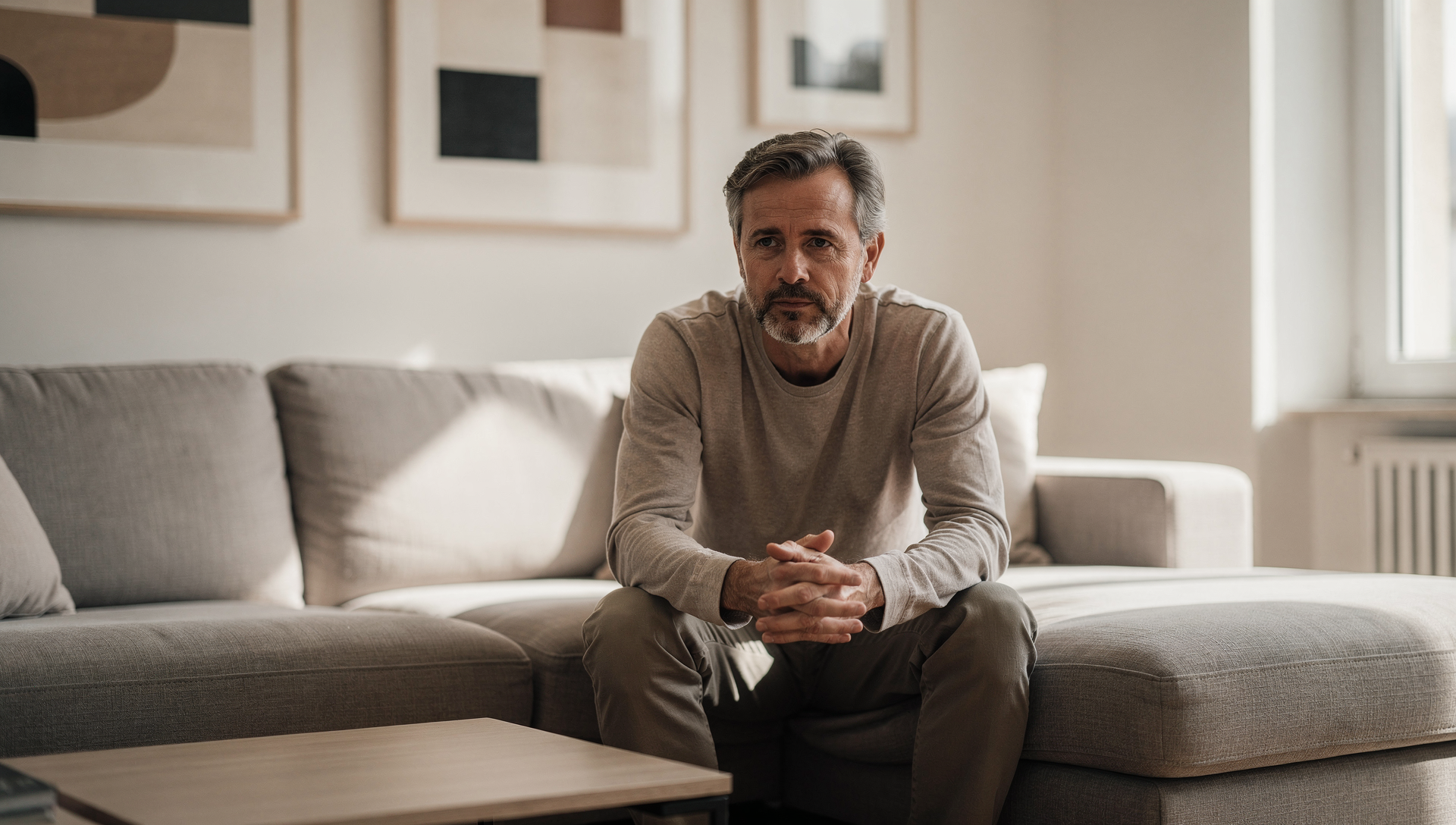
For most men, hearing the words “you have prostate cancer” is not just medical information; it is an emotional earthquake. Even if your medical team has explained that your cancer is treatable or slow-growing, the word “cancer” may immediately bring up images of suffering, loss, and death.
Common elements of this initial shock include:
- Feeling stunned or numb, as if you are watching your life from the outside.
- Difficulty concentrating, remembering what was said in appointments, or making decisions.
- Intrusive thoughts about the diagnosis during the day or at night.
- Sudden waves of fear, sadness, or anger that seem to come out of nowhere.
Research shows that emotional distress – including anxiety, low mood, and intrusive thoughts – tends to be highest around the time of diagnosis and can gradually lessen over time, although it may remain higher than in the general population. This does not mean you are weak or “not coping”; it means your mind and body are reacting to a major threat and change.
If you can, allow yourself to see this stage as an acute reaction, not a permanent state. Just as your medical team has a treatment plan, there can also be a psychological plan to help you navigate this period.
Common psychological reactions after cancer diagnosis
There is no “right” way to feel after a prostate cancer diagnosis. However, understanding typical psychological reactions can help you normalise your experience and reduce unnecessary self-criticism.
Fear and anxiety
Fear is often centred on survival, treatment, side effects, and what will happen to loved ones. Anxiety can show up as:
- Constant worrying or “worst-case scenario” thinking.
- Physical symptoms such as racing heart, tight chest, restlessness, or poor sleep.
- Repeatedly checking your body or test results for signs of change.
- High levels of anxiety are particularly common early on and around key medical milestones such as tests, scans, and treatment decisions.
Anger and frustration
Many men describe feeling angry – at their body, the healthcare system, or simply at the unfairness of the situation. You might find yourself irritated by small things or feeling shorter-tempered with family. Anger can be a natural response to loss of control, disruption of plans, or changes in physical functioning.
Denial and disbelief
Some men feel as though the diagnosis cannot be real, especially if they have few symptoms and feel physically well. A degree of denial can be a temporary coping mechanism, giving you emotional time to adjust. However, persistent avoidance of information, appointments, or discussion may interfere with making informed decisions about treatment.
Sadness, grief, and low mood
You may feel sadness about your health, about plans that now feel uncertain, or about anticipated changes in sexual function, work, or lifestyle. Some men experience clinical depression, which can include persistent low mood, loss of interest in activities, feelings of worthlessness, and changes in sleep or appetite.
Feeling alone or different
Even if you have loved ones around you, it is common to feel that no one truly understands what you are going through. Some men withdraw from social contact, which can unfortunately increase feelings of isolation and distress.
Recognising these reactions as understandable responses to a major health threat can be the first step in managing anxiety after cancer diagnosis in a kinder, less judgmental way.
Living with uncertainty and fear of progression or recurrence

Uncertainty is one of the hardest psychological aspects of any cancer, and prostate cancer is no exception. You may be worried about:
- How aggressive the cancer really is.
- Whether the treatment will work.
- The risk of recurrence years down the line.
- What your PSA results will show in future follow-up appointments.
Fear of cancer recurrence or progression is common and can persist even after successful treatment. Some level of concern is understandable and even protective, because it encourages you to attend check-ups and follow medical advice. However, when fear becomes overwhelming or constant, it can significantly reduce your quality of life.
Psychological research shows that fear of recurrence is often maintained by patterns such as:
- Mental scanning for symptoms and repeatedly searching online for information.
- Avoiding anything that reminds you of cancer (letters, hospitals, conversations).
- Catastrophic thinking – jumping to “this means it’s coming back” at any small change.
Cognitive-behavioural therapy (CBT) interventions have been shown to reduce fear of cancer recurrence by helping people identify and question unhelpful thoughts, reduce excessive checking and avoidance, and gradually re-engage with valued activities. This does not mean “thinking positively”, but rather learning to respond differently to worry, so it no longer dominates your life.
Masculinity, identity, and prostate cancer
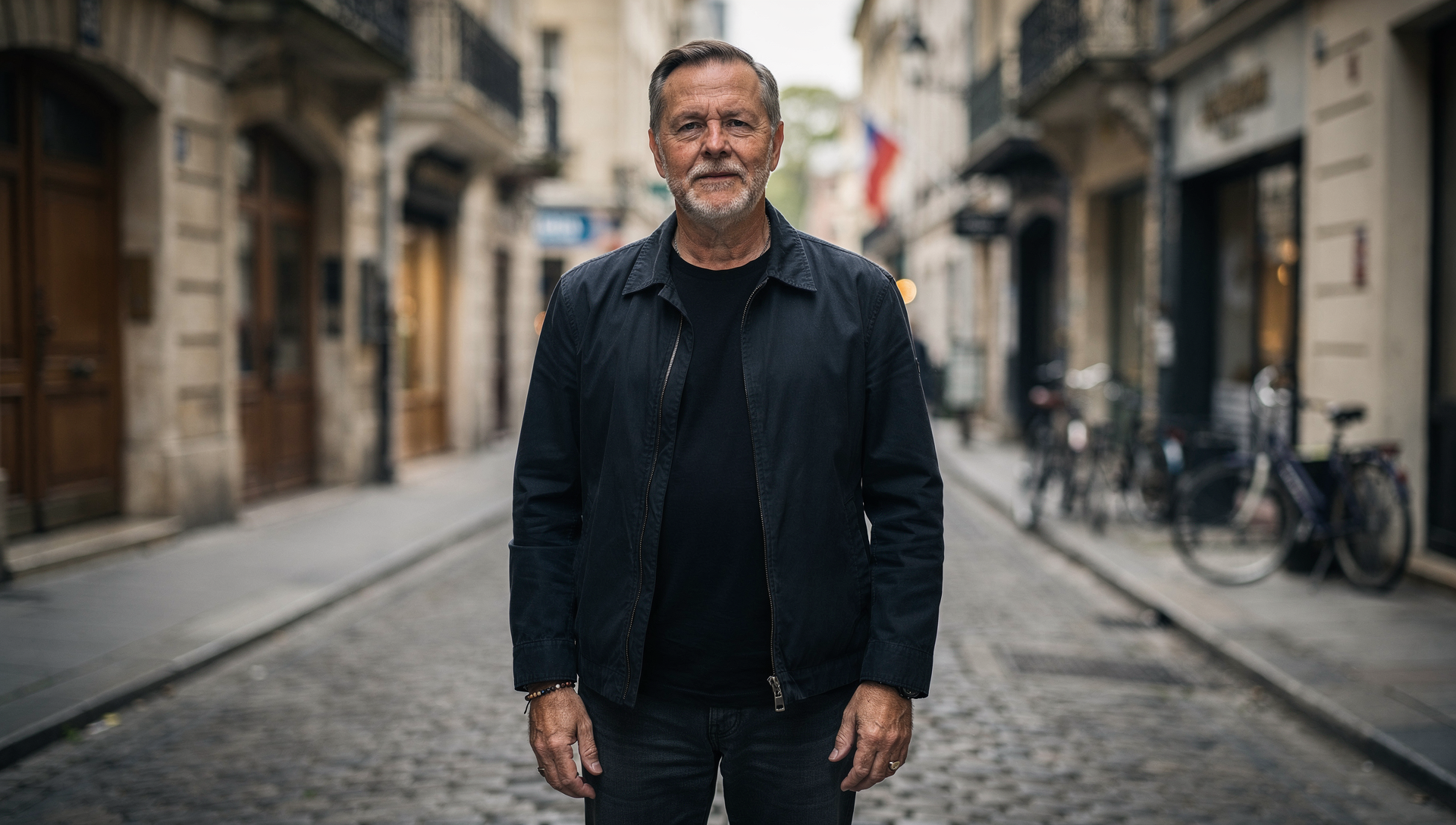
Prostate cancer often touches deeply on issues of masculinity, sexuality, and identity. Many men link being a man with physical strength, sexual performance, work, independence, and the ability to “provide” or “protect”. A prostate cancer diagnosis – and its treatments – can challenge these beliefs.
Treatment side effects such as erectile dysfunction, changes in ejaculation, reduced libido, urinary incontinence, weight gain, or fatigue can all affect how you see your body and your sense of yourself as a man. Hormone therapy, which reduces testosterone, can also bring emotional changes, including mood swings and feeling more tearful, which some men find difficult to reconcile with their usual image of themselves.
Some common thoughts include:
- “I feel less of a man.”
- “I am letting my partner down.”
- “I am not the person I used to be.”
It can be helpful to gently question narrow definitions of masculinity and broaden your identity beyond sexual performance or physical strength. Values such as emotional courage, presence with loved ones, kindness, wisdom, and resilience in adversity are equally meaningful aspects of being a man, especially in the context of coping with prostate cancer.
Psychological therapies, including Acceptance and Commitment Therapy (ACT), often work with this by helping men clarify what kind of partner, father, friend, or colleague they want to be, even while facing difficult symptoms, and then take small steps in line with those values. This can restore a sense of dignity and purpose that is not entirely dependent on the body functioning as it used to.
Communication with partners and loved ones
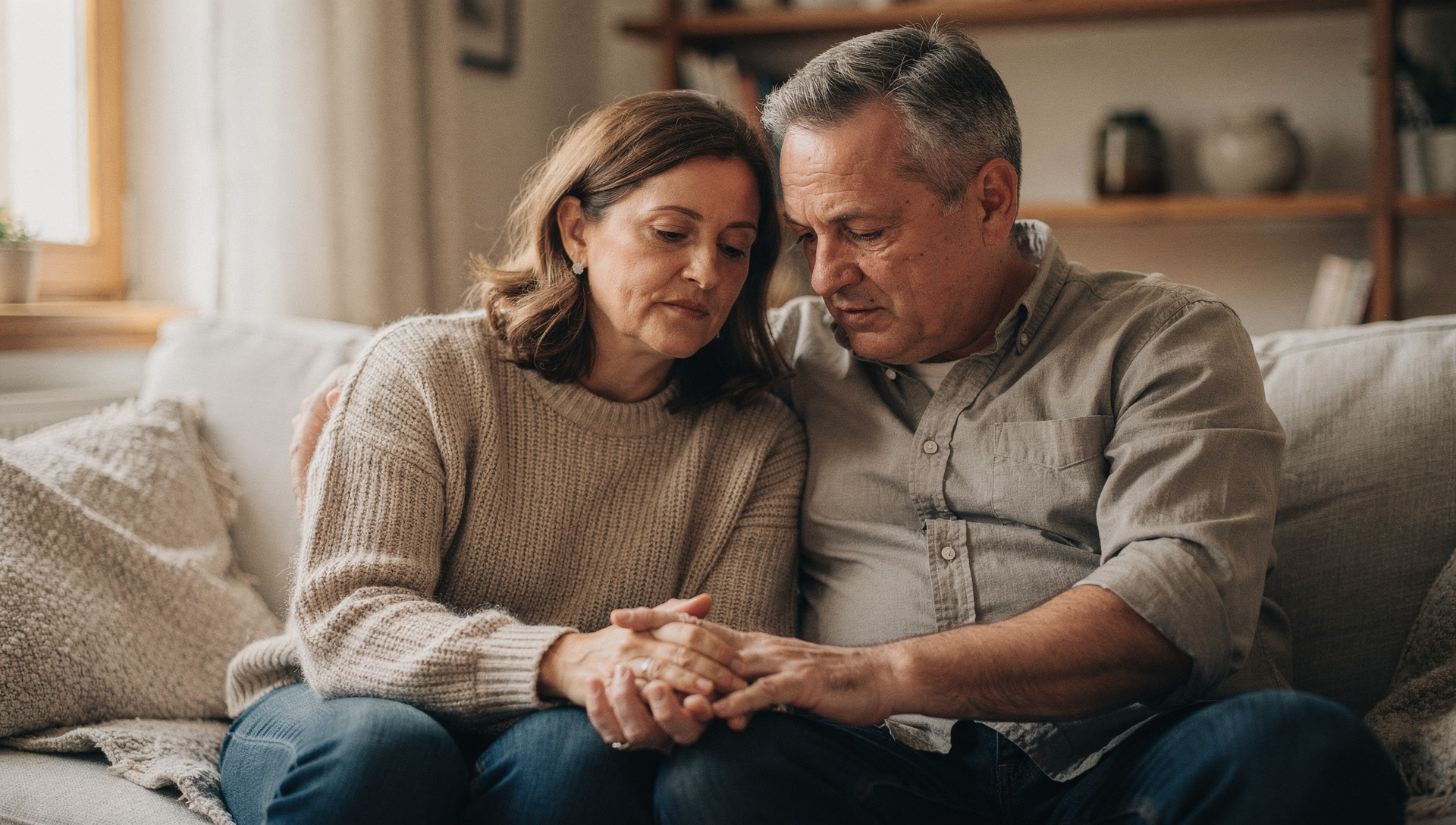
Prostate cancer affects not only you, but also your partner and wider family. Partners may have their own fears about your health, the future, and the impact of treatment on your relationship. At the same time, both of you may avoid talking about cancer and especially about sexual changes, hoping to protect one another.
Research shows that couples who can talk openly and constructively about sexual problems after prostate cancer tend to have better psychological and relationship outcomes. When sexual difficulties are not discussed, both partners are more likely to withdraw, misunderstand each other’s behaviour, and feel rejected or guilty.
Helpful communication strategies include:
- Naming the “elephant in the room”: saying openly that cancer and treatment have affected you physically and emotionally.
- Using “I” statements: “I feel worried about…” rather than “You don’t understand…”.
- Setting aside small, regular times to talk about how you both are, rather than only speaking when tension is high.
- Being honest about sexual changes and exploring other ways of being intimate (touch, closeness, sensuality) while working with medical and psychological support on sexual rehabilitation.
For some couples, attending appointments together or seeing a psychologist or couples therapist can help to open up these conversations in a safe, structured way.
Practical coping strategies: evidence-based psychological tools
Below are practical strategies, drawn from approaches such as CBT, ACT, emotional regulation techniques, and resilience research, that many men find useful when coping with prostate cancer.
-
Make space for emotions instead of fighting them
Pushing away fear or sadness often makes them stronger. Instead, try to:
- Notice what you feel and name it (“I am feeling anxious and tense right now”).
- Remind yourself: “These feelings are understandable; they are a normal reaction to a prostate cancer diagnosis.”
- Allow the emotion to rise and fall like a wave, while you continue to breathe slowly and stay grounded (for example, feeling your feet on the floor).
This “acceptance” stance, central in ACT, is not resignation; it is choosing to stop battling internal experiences and instead invest energy in how you respond.
-
Work with your thoughts
CBT emphasises that what we think strongly influences how we feel and behave. With cancer, it is easy to slip into catastrophic thinking (“It will definitely come back”, “My life is over”). Rather than trying to force positive thoughts, try:
- Identifying the thought (“I am telling myself that this scan means the worst”).
- Asking: “Is this thought a fact, or a fear? What would I say to a friend in my situation?”
- Looking for a more balanced alternative (“This scan is important to monitor my health. There is uncertainty, but my team is following me closely.”).
Over time, this can reduce anxiety and fear of recurrence.
-
Limit reassurance-seeking and information overload
Many men cope with uncertainty by constantly researching prostate cancer, checking symptoms, or reading forums. While information can be empowering, too much searching often increases anxiety. You might experiment with:
- Setting specific times to read information from trusted sources, rather than searching late at night.
- Agreeing with yourself not to search for symptoms outside those times.
- Discussing specific worries with your medical team instead of relying on online forums alone.
-
Grounding and relaxation techniques
Simple body-based exercises can help calm the nervous system:
- Slow breathing: inhale gently through the nose for about four seconds, exhale slowly through the mouth for six seconds, repeat for a few minutes.
- Grounding: name five things you can see, four you can feel, three you can hear, two you can smell, one you can taste.
- Progressive muscle relaxation: tensing and relaxing muscle groups in turn, from feet to face.
These approaches can reduce physiological arousal associated with anxiety and improve sleep.
-
Maintain routines and activity, within your limits
Resilience research shows that staying engaged in meaningful activities – even in reduced form – supports mental health during illness. Depending on your treatment and energy, this may include:
- Light physical activity, which can improve mood and fatigue.
- Hobbies or interests that absorb your attention.
- Social contact with trusted friends or family, even if brief.
The goal is not to ignore the illness, but to ensure that cancer is not the only thing in your life.
-
Clarify values and small daily actions
ACT highlights the importance of living in line with your values, even during difficult times. You might ask yourself:
- “What kind of person do I want to be in my relationships during this period?”
- “What matters most to me now – kindness, honesty, presence, humour?”
Then choose one or two small actions each day that reflect those values, such as sending a message to a friend, spending time with a grandchild, or being open about how you feel with your partner.
When to seek professional psychological support

Many men navigate the emotional impact of cancer with the help of family, friends, and their medical team. However, there are times when specialised psychological support for prostate cancer can be particularly helpful.
You may benefit from seeing a psychologist or other mental health professional if:
- Anxiety, fear, or low mood are intense, frequent, or persistent.
- You struggle to sleep most nights because of worry.
- You find yourself withdrawing from loved ones or activities you usually value.
- You feel stuck in anger, guilt, or hopelessness.
- You have significant difficulties with sexual adjustment or intimacy that are straining your relationship.
- You notice thoughts of self-harm or that life is not worth living.
Psychological therapies such as CBT and ACT have shown promising results in reducing fear of cancer recurrence and improving emotional wellbeing in people living with and beyond cancer. Support can be offered individually, in couples, or in groups, sometimes in person and sometimes online.
Seeking help is not a sign of weakness; it is an active step towards looking after your emotional health, just as you would follow medical advice to care for your physical health.
If you feel you would benefit from structured psychological support, it can help to look for a clinician experienced in health-related anxiety, adjustment to diagnosis, and relationship/sexual wellbeing. Services such as Ocnos Psychology Clinic can provide evidence-based support in a calm, confidential setting, tailored to your needs.
You don’t have to face this alone
PCG exists to support men and families affected by prostate cancer across Gibraltar, and to promote early detection.
Frequently asked questions (FAQs)
Is it normal to feel worse emotionally than physically after my prostate cancer diagnosis?
Yes. Many men feel that the emotional impact of cancer initially outweighs physical symptoms, especially if they have few bodily signs of illness. This usually reflects the shock of the diagnosis and uncertainty about the future, not a personal failing.
How long will this intense anxiety and sadness last?
Emotional distress tends to be highest around diagnosis and may reduce over the following months, although some men continue to experience elevated anxiety compared with the general population. If your distress remains very strong or interferes with daily life, psychological support can help.
I am terrified the cancer will come back. Can therapy really help with this fear?
Yes. Specific CBT-based interventions for fear of cancer recurrence have been shown to significantly reduce this fear and improve quality of life in cancer survivors, including those treated for prostate cancer.
My sexual function has changed after treatment and I feel ashamed. Is this common?
Changes in sexual function are common after prostate cancer treatment and can deeply affect self-esteem and relationships. You are not alone in this, and both medical and psychological approaches can support sexual rehabilitation and intimacy.
Should I talk to my partner about sexual problems, or will that make things worse?
Research suggests that couples who can engage in open, constructive conversations about sexual difficulties after prostate cancer tend to adjust better and experience less relationship distress. While these conversations can feel uncomfortable, avoiding them often increases misunderstanding and emotional distance.
I feel like less of a man since starting hormone therapy. Is this unusual?
No. Many men report changes in how they see themselves as men due to treatment side effects, including reduced libido, erectile difficulties, and mood changes. Psychological support can help you redefine masculinity in a broader, more compassionate way.
How can I balance staying informed about my condition with not becoming obsessed by it?
It can help to limit information gathering to specific times and to rely on reputable sources, discussing any worries with your clinical team. Psychological strategies from CBT can also reduce compulsive checking and catastrophic thinking.
When should I consider joining a support group?
Support groups can be helpful if you feel isolated, want to hear from other men in similar situations, or wish to share experiences and coping strategies. Some men prefer individual therapy first, while others value group support early on; there is no single right approach.
Is it okay if I don’t want to talk about my cancer all the time?
Yes. It is natural to sometimes want a break from discussing cancer. However, if you are avoiding all conversation or medical information because it feels unbearable, this might be a sign that additional support would be helpful.
Can my partner come with me to psychological sessions?
In many cases, yes. Involving partners can improve communication, help address sexual and relationship issues as a shared concern, and support both of you in adapting to changes after prostate cancer treatment.
Taking proactive care of your emotional health
A prostate cancer diagnosis changes your life, but it does not define your entire story. Emotional reactions such as fear, sadness, anger, and uncertainty are understandable responses to a real threat, not signs that you are failing to cope.
You do not have to go through this alone. By recognising common psychological reactions, practising evidence-based coping strategies, opening communication with loved ones, and seeking professional psychological support when needed, you can build resilience and find ways of living meaningfully with – and beyond – prostate cancer.
If any part of this article resonates with you, consider this an invitation to take your emotional wellbeing as seriously as your medical treatment. Caring for your mind is an integral part of caring for your health.

Sources Consulted
- NHS – prostate cancer information and support.
- Macmillan Cancer Support – emotional impact of cancer and living with prostate cancer.
- Cancer Research UK – prostate cancer information and living with and beyond cancer.
- Prostate Cancer UK – dealing with the emotional impact of prostate cancer.
- PROST! – prostate cancer and mental health resources.
- Truenorth / Movember – communication and intimacy after prostate cancer.
- Lee-Jones et al., and subsequent CBT models of fear of cancer recurrence.
- van de Wal et al., Cognitive-behavioural approaches to fear of cancer recurrence.
- The SWORD study: blended CBT for high fear of recurrence in cancer survivors.
- Research on psychological adjustment in men with prostate cancer, including distress patterns around diagnosis.
- Studies on sexual dysfunction and spousal communication in couples coping with prostate cancer.

Coping with Prostate Cancer Diagnosis
Support Newly diagnosed Psychological guidance Coping With a Prostate Cancer Diagnosis: A Psychologist’s Guide Practical, evidence-based guidance to help you manage the emotional impact, uncertainty,