

Supporting a Partner With Prostate Cancer: A Psychologist’s Perspective
A complete psychological guide for partners: emotional impact, communication, intimacy changes, caregiver fatigue and evidence-based ways to cope — while caring for yourself too.
Quick links (PCG)
Helpful pages you may want to read alongside this article:
When a man is diagnosed with prostate cancer, his partner often becomes an emotional anchor, informal carer, and co-navigator of the illness – yet their own psychological experience is frequently invisible and underestimated. Many partners describe feeling they “must be strong”, even while they themselves are frightened, exhausted, and unsure how best to help.
As a psychologist, I see daily how central partners are in supporting a man with prostate cancer, and how much they also carry in silence. This article is for you if you are standing beside someone you love: to validate your emotional impact, explore caregiver stress, intimacy changes and communication patterns, and offer evidence-based ways of caring for both your partner and yourself.
The emotional impact on partners: the “other patient”
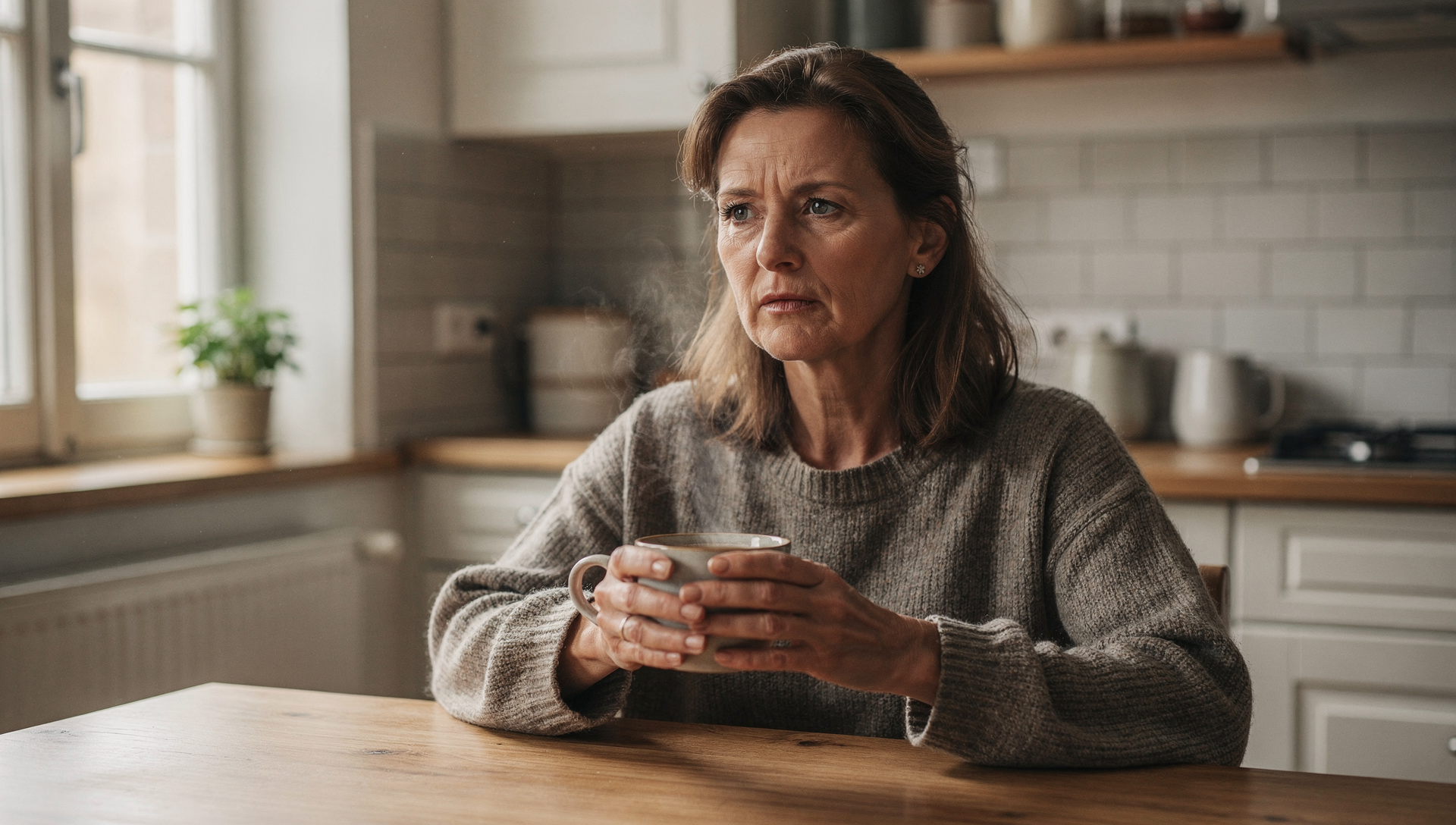
Partners often experience their own version of shock when the diagnosis is given. Many describe a moment where time stands still, accompanied by thoughts such as “I might lose him” or “Our life has just changed”.
Common emotional reactions in partners include:
- Fear and anticipatory anxiety about treatment, side effects, and survival.
- Sadness and grief for the life you had imagined together.
- Anger at the unfairness of the situation or at delays in diagnosis.
- Guilt for moments of resentment, tiredness, or needing space.
Caregiver stress models show that partners’ distress is shaped both by the objective demands of care (appointments, treatment side effects, practical support) and by how those demands are perceived and emotionally processed. Importantly, partners’ psychological distress often mirrors, or even exceeds, the patient’s distress, especially around the time of diagnosis and primary treatment.
It can be helpful to see yourself not only as a “support person”, but as someone who has also been impacted by cancer and who has a legitimate need for support in your own right.
Common emotional reactions in partners
While every relationship is unique, research with couples facing prostate cancer has identified several recurring emotional patterns in partners.
Secondary trauma and anticipatory anxiety
Partners may experience intrusive images or repetitive worries about their loved one’s pain, deterioration, or death. This “secondary trauma” arises from witnessing someone you love in potential danger, and it can create anticipatory anxiety – distress focused on feared future losses rather than present reality.
You might notice:
- Difficulty relaxing between appointments because “the next test” is always on your mind.
- Hyper-vigilance to any change in your partner’s mood, symptoms, or PSA levels.
- Sleep problems or physical tension linked to worry.
Caregiver burden and emotional exhaustion

Caregiver burden refers to the emotional, physical, and practical load of supporting someone through illness. In prostate cancer, this may include attending consultations, managing medication, dealing with urinary or sexual side effects, and offering continuous emotional reassurance.
Over time, partners may develop emotional exhaustion: feeling as if you have nothing left to give, becoming more irritable, numb, or detached, even though you still care deeply.
Helplessness, fear, anger and guilt
Partners frequently report feeling helpless – wanting to “fix” the situation but being unable to change the diagnosis or certain side effects. Fear about the future can sit alongside anger at how life has been disrupted, and guilt for not always feeling patient, grateful, or strong.
From a cognitive-behavioural perspective, self-critical thoughts such as “I shouldn’t feel this way” or “I’m selfish for being tired” can intensify distress and block you from seeking support. Recognising these as understandable thoughts – not objective truths – is a key step in coping as a partner after cancer diagnosis.
Communication and emotional distance after diagnosis

Prostate cancer places significant strain on couple communication. The Relationship Intimacy Model of Cancer Adaptation suggests that how couples talk about cancer strongly influences both partners’ psychological adjustment, largely through its effects on intimacy.
Partners often face several dilemmas:
- Wanting to protect your loved one from additional worry, so you hide your own distress.
- Not wanting to “nag” about symptoms, work, or lifestyle changes.
- Avoiding cancer conversations to preserve a sense of normality.
Research shows that certain patterns – such as mutual avoidance of cancer topics, or one partner pushing to talk while the other withdraws – are linked with lower relationship intimacy and higher distress for both people. Conversely, “mutual constructive communication” – taking turns to listen, express feelings, and problem-solve – is associated with higher marital satisfaction and lower distress in couples coping with prostate cancer.
From an attachment theory perspective, our communication style under stress is often shaped by our attachment style. For example:
- Partners with a more anxious attachment may become very vigilant, seek frequent reassurance, and fear abandonment.
- Partners with a more avoidant attachment may minimise emotions, stay “in control”, and struggle to express vulnerability.
Understanding these tendencies can reduce blame and open space for more compassionate dialogue: “I pull back when I’m scared; I’m not rejecting you” or “I ask many questions because I’m terrified of losing you”.
Intimacy and sexuality after prostate cancer

Intimacy after prostate cancer is often impacted both physically and psychologically. Treatments may lead to erectile dysfunction, changes in ejaculation, reduced libido, incontinence, or body-image concerns, which affect both partners’ sexual confidence and sense of desirability.
Studies of couples show that:
- Both patients and partners can experience reduced sexual satisfaction and distress about changes.
- Sexual function in the patient and the partner is often closely linked; when one struggles, the other is affected.
- Constructive spousal communication about sexual problems can buffer the negative impact on psychological and marital adjustment.
For partners, there may be conflicting emotions:
- Worry about pressuring your partner versus fear of losing sexual closeness.
- Feeling undesired or “shut out”, but also afraid to raise it.
- Confusion about how to initiate non-sexual affection without sending mixed signals.
An acceptance-based approach can be helpful: acknowledging grief for how intimacy used to be, while gently exploring new ways of being close (touch, massage, sensuality, humour, shared rituals) that fit your current situation. Medical input (e.g. for erectile difficulties) combined with psychological support can help couples redefine sexual identity within the relationship rather than seeing sex as “over”.
Caregiver fatigue, boundaries, and the risk of burnout
Partners often feel a strong sense of responsibility to “be there” at all times. Caregiver stress models highlight that when demands (appointments, emotional support, practical care) consistently exceed resources (time, rest, external help), caregiver fatigue and burnout become likely.
Signs you may be approaching burnout include:
- Constant tiredness that does not improve with rest.
- Irritability or emotional numbness.
- Loss of interest in your own hobbies, friendships, or self-care.
- Resentment towards your partner or the illness, followed by guilt.
Healthy boundaries are not selfish; they are essential to sustaining support over the long term. This might mean:
- Agreeing specific times when health topics are discussed, and times that are “cancer-free”.
- Sharing tasks with other family members or friends where possible.
- Being honest with your partner and healthcare team about your limits.
Attachment-oriented couple research suggests that partners who feel permitted to have needs and limits, rather than only giving, experience less caregiver strain and maintain better relationship quality.
Practical coping strategies for partners: evidence-based tools
Below are psychological strategies, informed by CBT, ACT, caregiver research, and emotion regulation models, to support you in supporting a partner with prostate cancer.
1. Name and normalise your feelings
Instead of judging yourself for being scared or tired, try to simply label what you feel: “I notice fear”, “I feel overwhelmed right now”. Emotion regulation research shows that naming emotions helps reduce their intensity and increases your sense of control.
You can add a compassionate statement: “Anyone in my position would feel this way.” This shifts the internal dialogue from criticism to validation.
2. Challenge unhelpful thoughts (CBT perspective)
Partners often develop harsh, absolutist thoughts, such as “If I ever feel resentful, I’m a bad partner” or “I must stay strong all the time”. CBT invites you to ask:
- “What is the evidence for and against this thought?”
- “Would I say this to a close friend in the same situation?”
- “Is there a more balanced way to phrase it?”
For example, “I must never feel tired” might become “I am doing a lot; it’s natural to feel tired, and I need care too”. This reframing can reduce caregiver stress and guilt.
3. Practise acceptance and values-based action (ACT)
Acceptance and Commitment Therapy emphasises making space for difficult emotions while staying connected to your values.
You might reflect:
- “What kind of partner do I want to be in this period – caring, honest, patient, playful, steady?”
- “What is one small action today that fits that value, even if I am anxious or exhausted?”
This could be sitting quietly together, writing a supportive note, or allowing yourself a short walk so you can return more grounded. The focus shifts from controlling feelings to acting in line with what matters to you.
4. Foster constructive communication
Building on the Relationship Intimacy Model:
- Schedule short check-ins where you each share how you are, using “I” statements.
- Practise listening without immediately problem-solving; sometimes your partner needs presence more than answers.
- Gently flag avoidance (“I notice we’ve not talked about the next scan; part of me wants to avoid it too, but maybe we can face it together for a few minutes”).
This type of mutual constructive communication is linked with better intimacy and lower distress.
5. Protect small islands of normality and joy
Resilience research shows that maintaining some ordinary routines and pleasurable activities helps couples adapt to cancer. This might include meals together, favourite series, walks, or time with friends.
Intentionally scheduling these “non-cancer” moments is not denial; it is a way of reminding both of you that your relationship is bigger than the disease.
6. Build a support network and share the load
Partners who try to manage everything alone are at higher risk of caregiver burnout. Where possible:
- Identify one or two trusted people you can be honest with.
- Accept practical offers of help (lifts, meals, childcare) when appropriate.
- Use reliable information sources rather than carrying the burden of constant online searching.
If culturally you are used to being the one who supports others, it can feel uncomfortable to receive help; seeing this as part of caring for your partner (by keeping yourself well) may make it easier.
7. Attend to your own body and mind
Simple practices that regulate your nervous system can make a significant difference:
- Regular, slow breathing exercises.
- Brief physical activity suited to your energy (walking, stretching).
- Maintaining basic sleep and eating routines as far as possible.
These are not luxuries; they are foundations that allow you to continue supporting your loved one.
When partners should seek professional support

There is no threshold of “suffering enough” that you must reach before asking for help. However, psychological or couple-based support is particularly recommended if:
- You experience persistent anxiety or low mood, most days, for several weeks.
- You have frequent sleep disturbance, panic symptoms, or intrusive images related to your partner’s illness.
- Communication between you feels stuck in avoidance, conflict, or demand-withdraw cycles.
- Intimacy or sexual difficulties are causing distress or emotional distance.
- You feel resentful, emotionally numb, or on the edge of burnout.
- You notice thoughts that life is not worth living or urges to self-harm.
Evidence suggests that couple-focused interventions, especially those informed by attachment and intimacy models, can improve dyadic adjustment and relationship functioning in the context of cancer, even when they do not remove all distress. Individual therapy for partners can also be valuable to work on caregiver stress, trauma responses, and beliefs about responsibility and self-care.
If you feel you would benefit from structured psychological support for yourself or as a couple, it can help to speak with a clinician experienced in caregiver stress, anxiety, adjustment to diagnosis, and relationship dynamics. You can learn more about evidence-based psychological support at Ocnos Psychology Clinic.
FAQs for partners of men with prostate cancer
1. Is it normal that I feel as anxious, or even more anxious, than my partner?
Yes. Research consistently shows that partners’ distress levels often equal or exceed those of the patient, especially around diagnosis and treatment. Feeling this way does not mean you are weak; it means you are emotionally invested.
2. I feel guilty for sometimes wishing things could go back to “before cancer”. Is that wrong?
No. Grieving the life you had before is a natural response to change and loss. Guilt tends to arise when we judge this grief as selfish; compassion-focused and CBT approaches can help you see it as part of loving someone and being affected by their illness.
3. How can I support my partner without making everything about cancer?
Brief, regular check-ins about health, combined with deliberate “cancer-free” moments (shared activities, humour, daily routines), can balance support and normality. You do not need to be in “carer mode” every minute to be supportive.
4. We hardly talk about the cancer. Is that a problem?
Avoidance is understandable, but persistent avoidance is associated with increased emotional distance and distress. Even short, structured conversations where each of you shares one worry and one hope can begin to loosen that pattern.
5. Our sex life has changed dramatically and I feel rejected. What can we do?
Many couples experience sexual changes after prostate cancer, and both partners can feel rejected or inadequate. Talking openly about desires, fears, and alternative forms of intimacy, alongside medical advice for sexual functioning, is linked with better adjustment.
6. I’m afraid of burdening my partner with my own feelings. Should I keep them to myself?
Protectiveness is understandable, but partners who never share their fears may feel lonely and resentful, and patients can misinterpret their silence. Sharing your feelings gently and selectively can actually increase closeness and mutual support.
7. What if we have very different coping styles? I want to talk; he shuts down.
Different attachment and coping styles are common; some people cope by talking, others by focusing on tasks or withdrawing. A couples therapist can help you develop flexible patterns where both needs – for space and for connection – are respected.
8. How do I know if I am experiencing caregiver burnout?
Warning signs include chronic exhaustion, irritability, feeling emotionally numb, losing interest in things you once enjoyed, and feeling trapped in the caregiver role. These are strong signals to reduce demands where possible and seek support.
9. Is it selfish to take time for myself, like meeting friends or exercising?
On the contrary, partners who maintain some self-care and external support tend to cope better and provide more sustainable care. Think of self-care as part of your role in supporting your partner, not a distraction from it.
10. Should we consider couples therapy, or is individual support enough?
Both can be helpful. Couples therapy can specifically focus on communication, intimacy, and shared coping, and has been shown to improve relationship adjustment in cancer. Individual therapy can support you to process your own fears, beliefs, and responsibilities.
Moving forward together: balanced support and self-care
Standing beside a partner with prostate cancer is an act of deep commitment, and it carries a psychological cost that deserves recognition and care. You are not “just the supporter”; you are a person navigating shock, fear, love, anger, hope, and fatigue – often all in the same week.
Supporting a partner with prostate cancer does not mean sacrificing your own emotional wellbeing. A healthier model is one of shared humanity: two people facing a serious illness together, both entitled to feelings, needs, and support. When partners can acknowledge their own emotional impact of prostate cancer, use evidence-based coping strategies, communicate with vulnerability, and seek professional help when needed, couples often discover new forms of resilience and connection in the midst of challenge.
If you recognise yourself in these words, consider it permission to take your own psychological health seriously. Caring for yourself is not stepping away from your partner; it is stepping more firmly into a sustainable, loving role in this shared journey.
Need support in Gibraltar?
PCG is here to support men and families affected by prostate cancer across Gibraltar — and to promote early detection.

Sources Consulted
- NHS – information for families and carers of people with cancer.
- Macmillan Cancer Support – supporting a partner with cancer, caregiver stress, and relationship changes.
- Cancer Research UK – information on prostate cancer, treatment side effects, and impact on relationships.
- Prostate Cancer UK – guidance for partners and families, intimacy after prostate cancer, and practical support.
- The association between partner support and psychological distress among prostate cancer survivors.
- Psychosocial experience of couples coping with prostate cancer.
- Intimacy, communication patterns, and distress in couples coping with localised prostate cancer (Relationship Intimacy Model).
- Sexual dysfunction and spousal communication in couples coping with prostate cancer.
- Experiences and psychological distress of spouses of prostate cancer patients at diagnosis and primary treatment.
- Studies on attachment styles, caregiver coping, and dyadic adjustment in couples facing cancer.

Supporting a Partner With Prostate Cancer: A Psychologist’s Perspective
Partners Psychological support Couples Supporting a Partner With Prostate Cancer: A Psychologist’s Perspective A complete psychological guide for partners: emotional impact, communication, intimacy changes, caregiver